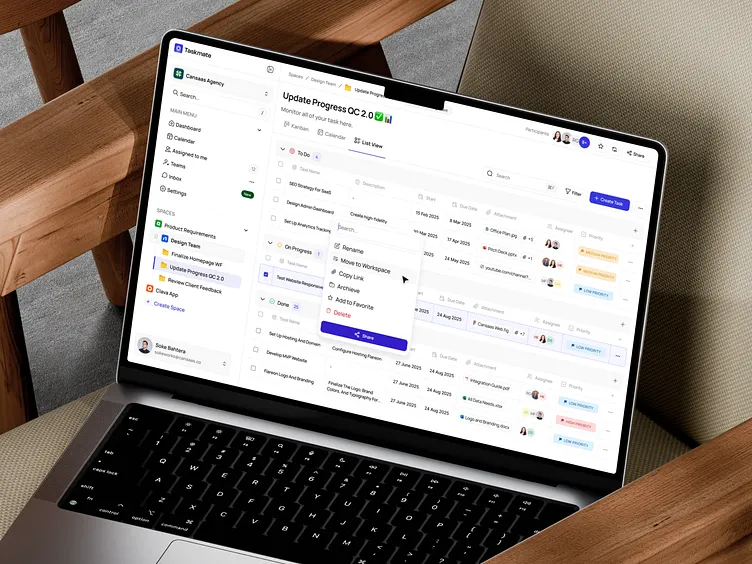
AI-powered applications are no longer experimental — they are production-ready, cost-effective, and increasingly expected by users. In 2025, businesses that integrate AI into their applications gain measurable advantages in efficiency, personalisation, and scalability. This guide covers exactly how to build them.
Key takeaway: The fastest path to production AI in 2025 is API-first — use existing foundation models (OpenAI, Claude, Gemini) rather than training from scratch unless your use case demands proprietary data.
What Makes an Application AI-Powered?
An AI-powered application uses one or more of these capabilities: natural language processing (understanding and generating text), computer vision (analysing images and video), machine learning models (predictions from data patterns), or recommendation systems (personalised suggestions). In 2025, most applications use pre-trained foundation models via API rather than building from scratch.
6 Steps to Build an AI-Powered Application in 2025
The Best AI APIs for Application Development in 2025
- OpenAI GPT-4o — Best for text generation, summarisation, code writing, and multimodal tasks
- Anthropic Claude 3.5 — Best for long-context processing, document analysis, and safety-critical applications
- Google Gemini — Best for Google Workspace integrations and multimodal applications
- Stability AI — Best for image generation and visual AI features
- Whisper (OpenAI) — Best for speech-to-text and transcription features
Common AI Application Use Cases for Nigerian Businesses
- Customer service chatbots — Automated WhatsApp and website chat handling product enquiries 24/7
- Document processing — Automatically extracting data from invoices, forms, and ID documents
- Product recommendations — Ecommerce engines that suggest products based on browsing and purchase history
- Fraud detection — Fintech applications flagging suspicious transaction patterns in real time
- Inventory forecasting — Predicting stock needs based on sales trends and seasonal patterns